To win the global car market, China needs more than EVs
[BEIJING] Automotive culture is the sum of social behaviours, values, beliefs, customs, art forms and lifestyles that revolve around the car. It is about more than a mode of transport; it is about freedom, identity, passion, technology and community. At its heart, car culture is about people. It reflects an appreciation for mechanical beauty, a thirst for free movement, a demand for personal expression and the sense of belonging that comes from a shared passion.
The car-culture industry is the sum of economic activities that commercialise the spiritual values, lifestyles and emotional experiences associated with automobiles. It is closely tied to the auto industry, but its core business is not selling the car as a tool but selling culture, experience and identity.
Based on experiences abroad, car culture manifests in classic and vintage cars, design and aesthetics, museums and exhibitions, brand stories and heritage, performance and racing, customisation and personalisation, lifestyle and community (such as owner clubs, car meets and festivals, road-trip culture, and reflections in film, music and games), and regional specialties. Consider America’s pickup and cruising culture, Japan’s JDM scene and mountain racing, or Europe’s storied racing traditions and high-performance grand tourers.
Classic cars are treasures of automotive history, prized for their unique designs and exquisite craftsmanship. They are not merely vehicles but works of art and collectibles, embodying the industrial design and emotional values of their eras.
Brands are another crucial component. Each has its own logo, family design language and signature models that form its identity – think of Mercedes-Benz’s three-pointed star or BMW’s double-kidney grille.
On a behavioural level, motorsports such as Formula 1 and the World Rally Championship are iconic. They showcase a vehicle’s peak performance, cultivate legions of fans and professional drivers, and spur technological innovation. Activities such as road trips, car modification, and visits to auto museums and shows are becoming major avenues for experiencing and sharing car culture.
On a spiritual level, car culture is expressed in the emotional connection and values people attach to cars. For many enthusiasts, a car symbolises a lifestyle of freedom, speed, passion and individuality. Cultural products such as movies, novels and magazines shape and spread this ethos, influencing consumer attitudes and life choices.
Car culture is also key to a modern automaker’s core competitiveness. It provides the deep-seated momentum needed to break free from homogenous competition and achieve sustainable growth by strengthening value-based identity, brand premium and market ecosystem.
When assessing an automaker’s competitiveness, one should add a cultural dimension. A truly powerful auto company possesses not only the hard power of technology and scale but also the soft power to cultivate a unique brand culture and even help shape a national car culture. Its investments in user-community operations, cross-industry ecosystem building and design aesthetics are critical to its long-term brand value and customer loyalty.
SEE ALSO
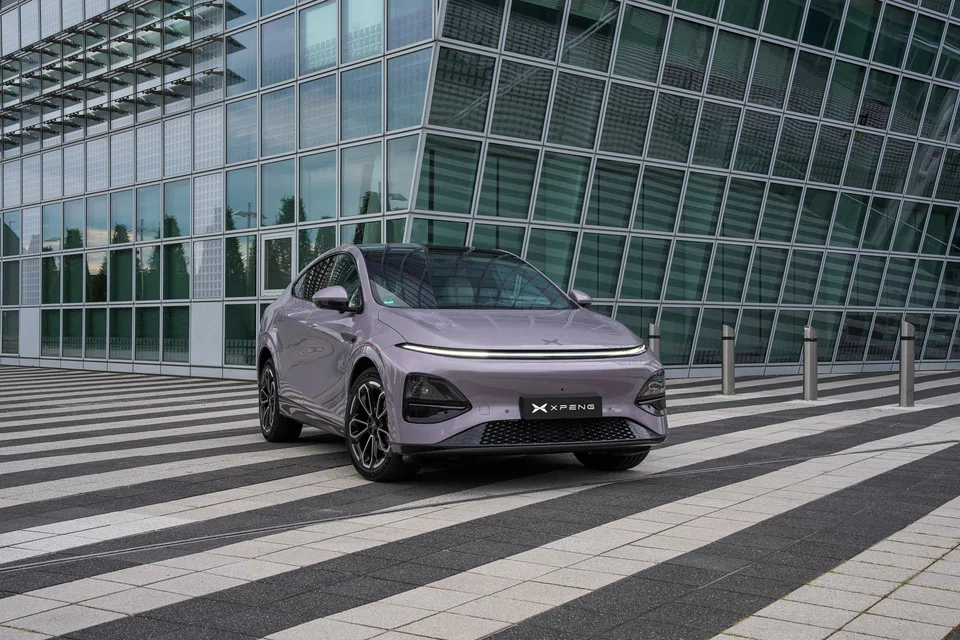
From a global perspective, an automaker’s cultural power is its ability to confidently export its brand aesthetics and values while building an internal system of innovation and governance that respects local markets and integrates global resources. The ultimate goal is a three-stage leap: from trading products to earning brand recognition to achieving cultural symbiosis.
Why China needs a car culture
The core value of developing an automotive culture is that it is not only the key soft power for the industry’s transition from big to strong, but also a “second engine” for creating new growth points and advancing social consumption and cultural progress.
For the industry, culture is the engine to move beyond excessive competition and create a new growth paradigm. It elevates the competitive landscape from a homogenous contest of hardware, software and price to the plane of emotional experience and lifestyle. This systematically extends the value chain, creates new demand and reshapes brand relationships.
First, culture extends the industry’s value chain by migrating high-profit activities from manufacturing to the aftermarket. Customisation, classic cars, professional training and high-end services constitute a lucrative “long-tail market”.
Second, it is a source of new demand, incubating “auto-plus” business models based on interest circles, such as track-day experiences, off-road adventures and road-trip camping. These transform the car from a tool of transport into a hub for social and entertainment activities, opening a “second growth curve” independent of traditional sales cycles.
Finally, culture is the foundation of a brand’s ultimate moat. By cultivating a unique spirit and operating deep user communities, a company can build an emotional connection based on shared identity. This allows it to graduate from a “value-for-money supplier” to a “lifestyle definer”, earning greater brand loyalty and pricing power.
For society, car culture is a catalyst with a significant “multiplier effect”. Economically, it is a powerful engine for industrial integration and new consumption. A major race or a theme park can boost local tourism, dining and retail. The rise of road-trip culture directly stimulates rural economies along travel routes. This “car culture-plus” model has a powerful ability to drive economic growth and create jobs.
Culturally, the automobile is a global symbol. Developing a Chinese car culture – by integrating Eastern aesthetics and philosophy into design and telling stories of contemporary Chinese lifestyles – is a vital means of projecting soft power and building cultural confidence.
Socially, a healthy car culture advocates for the modern civic virtues of rules, cooperation, exploration and sharing, which are linked to safe driving, track etiquette, environmental responsibility on off-road trails, and mutual assistance among car enthusiasts. Promoting automotive culture is in effect to shape a more civilised and innovative public culture with profound long-term social benefits.
Opportunities and challenges
Looking ahead, China’s car culture faces both opportunities and challenges. Success depends on building a healthy ecosystem and forging a unique path. The main challenges are threefold: an immature policy environment, with ambiguity in regulations for modification, professional racing and classic-car circulation; a weak historical foundation, with social perceptions still fragmented; and superficial commercialisation, with many investments remaining at the marketing level instead of being converted into sustainable brand assets.
China’s car culture is destined to follow a path deeply integrated with industrial transformation and national identity. Two forces will drive it.
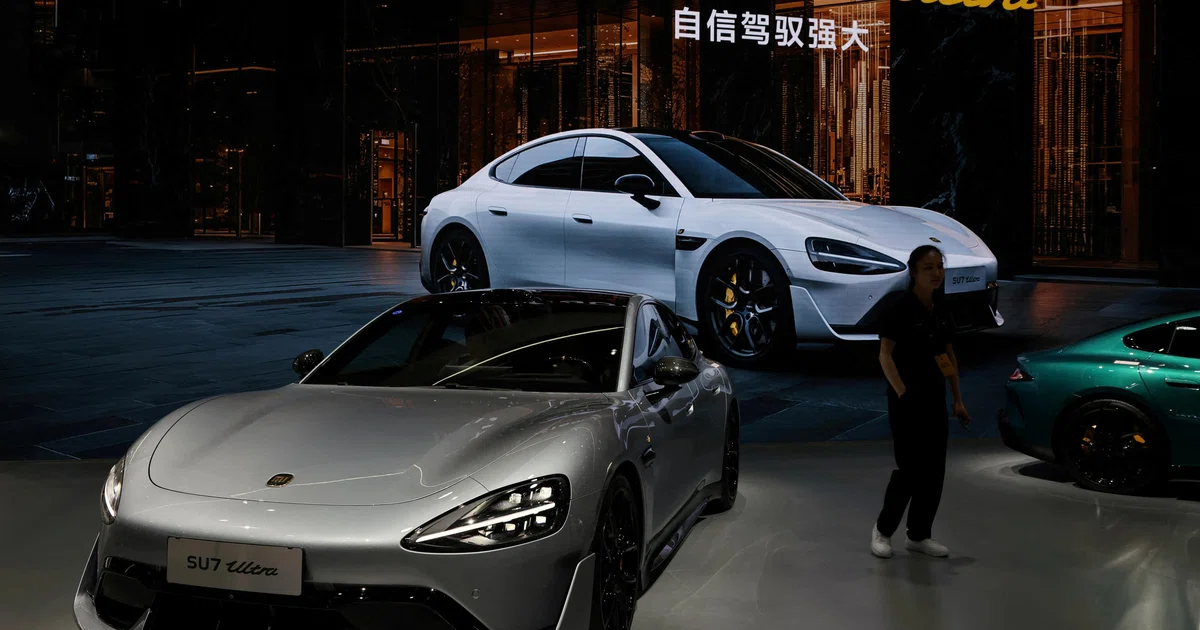
First is China’s global lead in new-energy and intelligent-connected vehicles. This allows it to bypass the legacy of internal-combustion culture and pioneer a new paradigm centered on smart electric vehicles (EVs), redefining automotive life around concepts such as vehicle-home connectivity, intelligent scenarios and autonomous driving.
Second and more fundamental is the creative fusion of Chinese cultural traditions with a contemporary digital lifestyle. A truly Chinese character isn’t about superficial design elements. It means systematically integrating philosophical concepts like the “harmony between man and nature” – along with deep-seated family and community values – into the entire chain from product design to user scenarios and community events. This could give rise to unique ecosystems such as “Chinese-style sophisticated outdoor leisure” and “smart family mobile spaces.”
Ultimately, the maturation and export of China’s car culture will be the result of synergy between industrial hard power and cultural soft power. The goal is to establish a desirable lifestyle on the global stage, one with the spiritual character of the contemporary East.
How to build it
To develop its car culture, China must leverage the world’s largest industrial and market base to elevate the car from a “tool of transport” to a “cultural carrier”. It is a systemic project that needs policy guidance, market leadership, technological distinction and a humanistic core. The effort must focus on unearthing local characteristics while learning from advanced international experience and promoting deep integration with technology, education and tourism.
I believe future efforts should focus on three areas.
First, push for collaboration among all stakeholders to build a friendly institutional environment. This requires dialogue between industry and policymakers to establish clear, inclusive and innovation-friendly management systems – for modification certification, classic-car management and event approvals – that provide a stable foundation for cultural innovation.
Second, encourage technology to drive cultural innovation and seize new opportunities. China’s lead in EVs and intelligent vehicles is a base to define and lead new forms of car culture. This includes a digital-life culture around “human-car-home” connectivity, a data-driven culture of personalized experiences and new mobility paradigms enabled by V2X vehicle-to-everything communication. This promises to let China bypass the historical barriers of traditional car culture and effectively change lanes to overtake the competition.
Finally, cultivate and export a car culture with Chinese characteristics. This means creatively fusing fine traditional culture and contemporary lifestyles with global technological trends. This goes beyond design elements to include ecosystem innovation – for example, combining deep cultural roots and current fashion with road-trip travel to create a unique “Chinese-style leisure travel” culture. By exporting culture, Chinese auto brands can eventually come to represent a desirable way of life, earning the world market’s sincere approval.
Car culture, a vital part of modern civilisation, embodies industrial spirit, aesthetic pursuits and profound lifestyle concepts. A deeper understanding and systematic promotion of it will not only inject new momentum into China’s industry and economy but also give its people a better experience of life with cars. Most important, it will leave a distinct mark on the arc of global automotive civilisation, contributing an indispensable Eastern power. CAIXIN GLOBAL
Decoding Asia newsletter: your guide to navigating Asia in a new global order. Sign up here to get Decoding Asia newsletter. Delivered to your inbox. Free.
link