
China, India, Thailand, Indonesia, Vietnam Are Major Players in Community-Based Tourism Market, Offering Unique Cultural and Environmental Experiences for Travelers
Published on
December 9, 2025

Asia-Pacific has become the epicenter of a rapidly growing segment within the global tourism industry: community-based tourism (CBT). With a staggering projected growth rate of 14.1% CAGR from 2023 to 2032, the CBT market is set to reach USD 2136.8 billion by 2032. As the demand for more authentic travel experiences rises, travelers are increasingly looking for ways to engage with local cultures and contribute positively to the communities they visit.
At the heart of this evolution is the concept of sustainable tourism, where local communities play a central role in every aspect of the travel experience. From cultural preservation to environmental protection and economic empowerment, community-based tourism is redefining what it means to travel ethically. In Asia-Pacific, which has emerged as the dominant player in this market, the growth is fueled by an expanding middle class, a rising number of young, eco-conscious travelers, and a deep-seated appreciation for cultural diversity.
Asia-Pacific, with its rich cultural tapestry and growing infrastructure, is set to become the undisputed hub for community-based tourism. Countries such as China, India, Japan, and Australia are at the forefront of this movement, offering travelers not just a chance to visit, but to immerse themselves fully in the local culture, all while benefiting the community financially and socially.
What Is Community-Based Tourism and Why Is It Gaining Traction?
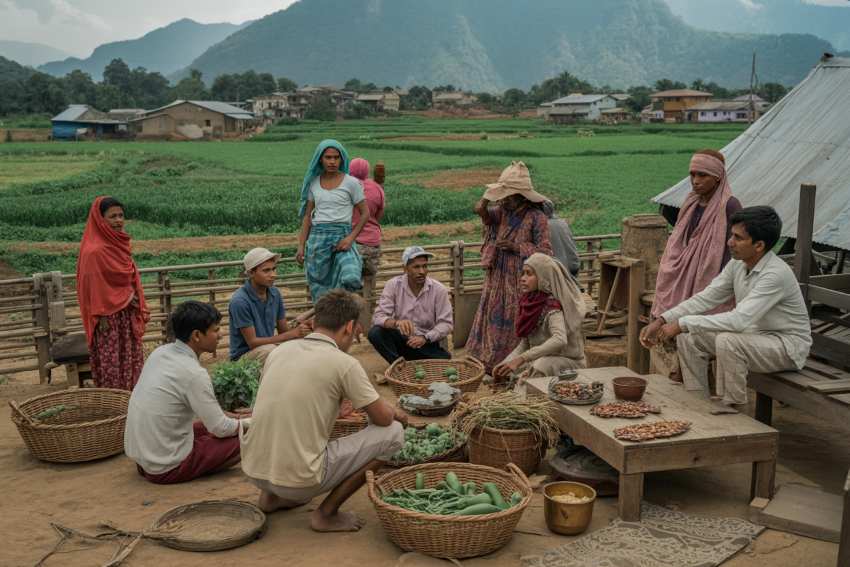
Community-Based Tourism (CBT) focuses on offering travelers an opportunity to experience a destination from the perspective of local residents. Rather than staying in large hotels and resorts, CBT allows visitors to stay in local homes, dine on traditional food, and engage in activities that directly benefit the community.
Key elements of CBT include:
- Cultural Exchange: Travelers get a genuine experience by interacting with local people, learning about their traditions, and understanding their way of life.
- Environmental Sustainability: CBT emphasizes the importance of preserving the environment, with a focus on reducing the negative impacts of mass tourism.
- Economic Benefits for Locals: The economic benefits are directly reinvested into the community, helping to alleviate poverty and provide jobs for residents.
The focus on authenticity, sustainability, and community involvement has led to an exponential rise in popularity, particularly among millennials and Generation Z, who are increasingly choosing experiences that align with their values.
Why Asia-Pacific Is Leading the Charge in Community-Based Tourism
A Rich Cultural Heritage and Growing Affluence in Asia-Pacific
The Asia-Pacific region is home to some of the most diverse and culturally rich countries in the world. With countries like China, India, Thailand, Indonesia, and Vietnam boasting centuries-old traditions and thriving local cultures, it’s no surprise that the region is a hotspot for community-based tourism. In recent years, Asia-Pacific has witnessed unprecedented growth in the number of international travelers, driven by a booming middle class, particularly in countries like China and India.
In addition to the rise in outbound tourism from the region, Asia-Pacific’s tourism infrastructure has been rapidly improving. Increased air connectivity, the development of local accommodations, and a focus on sustainable practices have made the region more accessible and appealing to travelers seeking immersive, off-the-beaten-path experiences.
Emerging Trends in Community-Based Tourism
- Solo Travelers: The solo traveler segment is growing rapidly in the community-based tourism market. Solo travelers are increasingly choosing destinations where they can engage directly with locals, create authentic memories, and support local economies.
- Eco-Conscious Millennial Travelers: Millennials, especially those in Generation Y, are drawn to community-based tourism because it allows them to travel responsibly and experience new cultures without contributing to the negative environmental impacts of mass tourism.
- Group Travel: While solo travel is booming, group travel remains a significant segment of the market. Family groups, corporate groups, and even pilgrimage tours are choosing CBT for its enriching cultural experiences and ability to create lasting bonds among travelers.
The Growing Popularity of CBT in Asia-Pacific’s Key Destinations
Countries in the Asia-Pacific region are increasingly adopting CBT principles, offering travelers a deeper connection to local communities and cultures. Let’s explore some of the key destinations where community-based tourism is flourishing:
- China: The rich cultural heritage of China makes it an attractive destination for CBT. Areas like Tibet, Inner Mongolia, and the Yunnan Province offer immersive experiences where travelers can learn about local traditions, such as Tibetan Buddhist practices, Mongolian herding cultures, and ethnic minority groups.
- India: India’s diverse culture, languages, and traditions make it a prime location for community tourism. Areas like Kerala, Rajasthan, and the Himalayas offer travelers authentic experiences, such as staying in local villages, partaking in traditional handicraft workshops, and enjoying local music and dance.
- Thailand: Famous for its beautiful landscapes and rich culture, Thailand has emerged as a key destination for community-based travel. Chiang Mai and Pai offer visitors the chance to stay with local families and participate in cooking classes, bamboo rafting, and tribal culture tours.
- Indonesia: Bali and other Indonesian islands are seeing a surge in sustainable tourism. Many communities are offering volunteering opportunities, eco-tours, and cultural immersion experiences for travelers eager to support local initiatives while exploring the beauty of the islands.
The Role of Travel Agents and Direct Sales in Community-Based Tourism
The travel agent segment has played a significant role in promoting community-based tourism by offering customized packages that ensure authentic experiences. Travel agents provide expert advice and coordinate local tours with indigenous communities, ensuring that the travel experience supports the economic and social development of the community.
However, direct sales channels have also gained ground, as travelers increasingly prefer to book their experiences online. Online platforms now offer the ability to connect directly with local operators and communities, empowering tourists to curate their own authentic trips. This trend has made direct travel bookings one of the fastest-growing segments of the CBT market.
Community-Based Tourism Market Insights and Forecast
The community-based tourism market was valued at USD 575.9 billion in 2022 and is expected to grow significantly, reaching USD 2136.8 billion by 2032. This rapid growth is driven by a combination of factors, including the increasing demand for unique travel experiences, growing environmental awareness, and the desire to support local communities economically.
In Asia-Pacific, the market share of outbound travelers has grown substantially, with China, India, and Japan leading the way in tourism expenditures. These growing economies, combined with a large millennial population, are fueling the rise of community-based tourism in the region.
Conclusion: The Future of Community-Based Tourism in Asia-Pacific
As the demand for more sustainable and authentic travel experiences continues to rise, Asia-Pacific is well-positioned to be the leading hub for community-based tourism. The region’s cultural diversity, coupled with advancing infrastructure and an eco-conscious traveler base, ensures that community-based tourism will continue to thrive.
By investing in local communities, environmental sustainability, and cultural preservation, Asia-Pacific is setting a powerful example for the global tourism industry. Travelers seeking genuine, immersive experiences will increasingly turn to the Asia-Pacific region, where community-based tourism offers a perfect blend of culture, nature, and authentic engagement.

link