


After leaving the EU in January 2020, the United Kingdom developed its own CO2 targets for new light duty vehicles and implemented a zero-emission vehicle (ZEV) mandate. Since 2024, car and van manufacturers have been required to meet annual ZEV registration percentage targets, replacing the EU’s stepwise CO2 targets set at five-year intervals. Unlike in the EU, the U.K. regulation prohibits manufacturers from forming pools with carmakers outside their ownership group. However, within a group, manufacturers that exceed their ZEV targets can share spare allowances with affiliates that fall short. Manufacturer groups can also trade allowances to other groups.
Since their introduction, these measures have created stronger incentives to accelerate electric vehicle sales in the United Kingdom compared with the EU. Battery electric cars increased their market share from about 17% in 2023 to roughly 20% in 2024, and approximately 22% YTD, around five percentage points higher than the combined YTD average share for the EU, Norway, and Iceland. Over the past five years, BEV registrations in the United Kingdom have tended to surge in the run-up to the end of the annual compliance period on December 31. Thus, the 2025 year-end market share is likely to be closer to the 2025 target set at 28%.
Although manufacturers missed the 2024 U.K. ZEV target of 22% on average, they effectively over–complied by using non-ZEV CO2 credits. These credits can be earned by improving the CO2 emissions performance of non-zero-emission cars relative to manufacturer-specific CO2 baseline values. This flexibility effectively lowered the 2024 fleet-wide ZEV target from 22% to 18%. For 2025, the estimated effective target—accounting for these flexibilities—is about 22% and, therefore, manufacturers are expected to again be in compliance. In April 2025, the U.K. Government proposed additional flexibilities to the ZEV regulation, such as higher caps for non-ZEV CO2 credits, that are expected to further lower the effective ZEV share targets.
Complementing the supply-side ZEV mandate, the United Kingdom offers consumer-facing incentives, including reduced taxes for the private use of zero- and low-emission company cars. In addition, upfront purchase incentives of up to £3,750 (about €4,300) for qualifying ZEV models were reintroduced in August 2025. As of August 2025, only two models are eligible for the maximum grant.
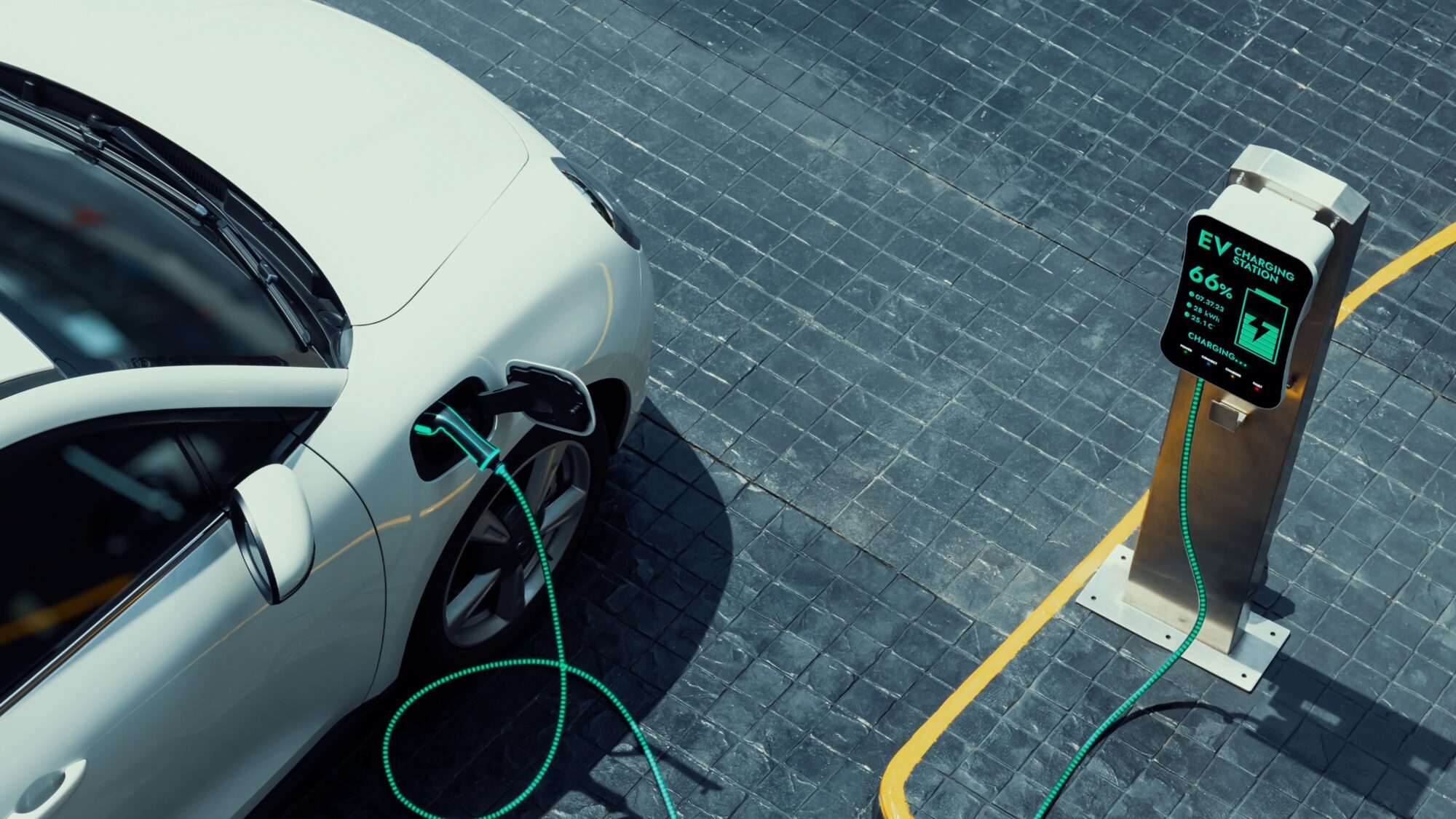
The rapid rise in BEV adoption in the United Kingdom has taken place despite the high cost of public charging, which is typically at least seven times higher than home charging, thus costing a similar amount to fueling an equivalent gasoline vehicle. With lower public charging costs, the uptake of BEVs would likely have been even stronger.
The authors thank Corrin Reilly, Ciara Cook, and David Farrar from New AutoMotive who provided key input on policy and market developments in the United Kingdom.
link